 Atelier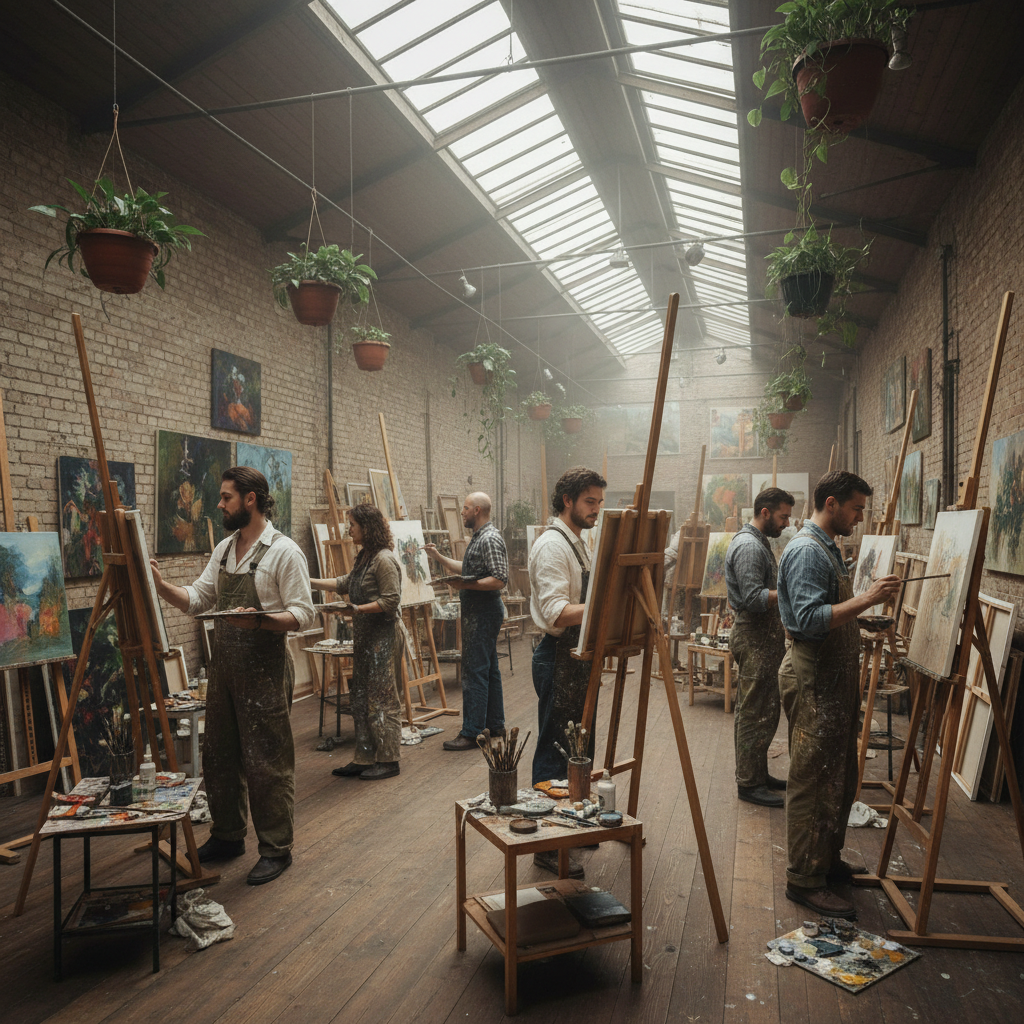
Six Working
Artists.
Every instructor holds an active exhibition practice. They teach what they are still learning themselves.

Eleanor Marsh
Head of Figure Drawing
MFA, Rhode Island School of Design
"Drawing is not about what you put on paper — it is about training the eye to see the invisible structure beneath the surface."
- Gesture Drawing
- Long Pose Figure
- Portrait Fundamentals
Students leave Eleanor's 10-week course able to capture a likeness in under two hours.
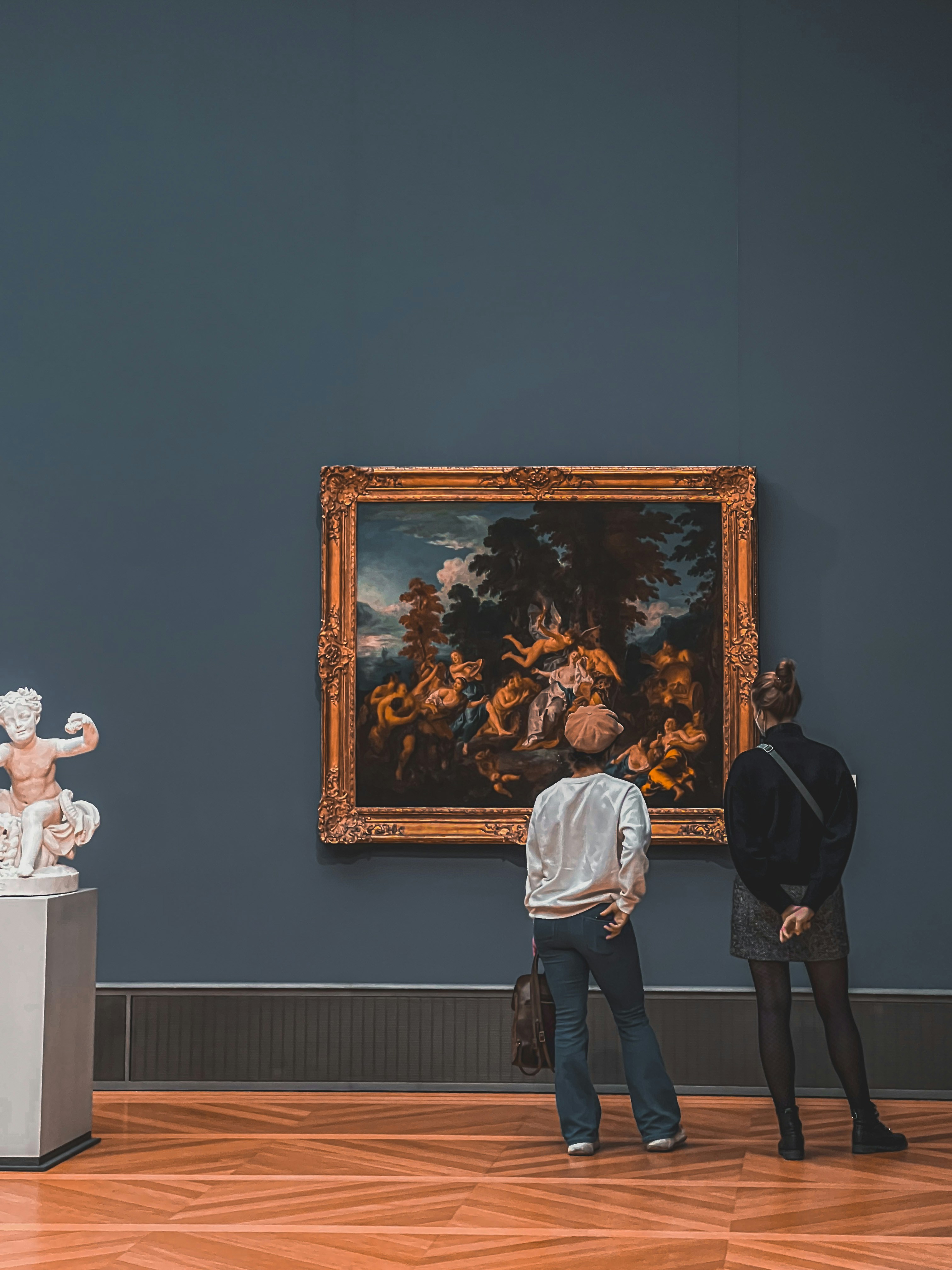
James Okafor
Oil Painting Instructor
Studied under Jacob Collins, NYC
"Every painting is a conversation between what you see and what you know. The discipline is learning to listen to the painting itself."
- Still Life in Oil
- Portrait in Oil
- Color Mixing Intensive
4 of James's students were accepted to the National Portrait Society annual show in 2025.

Priya Nair
Watercolor & Drawing
BFA Parsons; exhibiting since 2009
"Watercolor punishes timidity. The students who progress fastest are the ones who learn to commit to a stroke before they fully understand it."
- Watercolor Fundamentals
- Botanical Illustration
- Plein Air Workshop
Priya's beginner watercolor course has the highest re-enrollment rate in the studio.

Marcus Webb
Sculpture & 3D Form
Exhibited at Scope Art Fair, Miami
"Working in three dimensions forces you to understand form in a way no amount of drawing can replicate. It is the fastest path to seeing."
- Portrait in Clay
- Hand & Figure Maquette
- Bronze Casting Intro
Marcus's sculpture students consistently cite his course as the turning point in their overall artistic development.

Sofia Reyes
Color Theory & Composition
Post-grad study, Florence, Italy
"Color is the last thing you learn, but the first thing people feel. We build the foundation so the color has something to stand on."
- Color Theory Intensive
- Value & Edge Control
- Composition for Painters
Sofia's color intensive is the most requested elective in the catalog, with a 3-month waitlist.
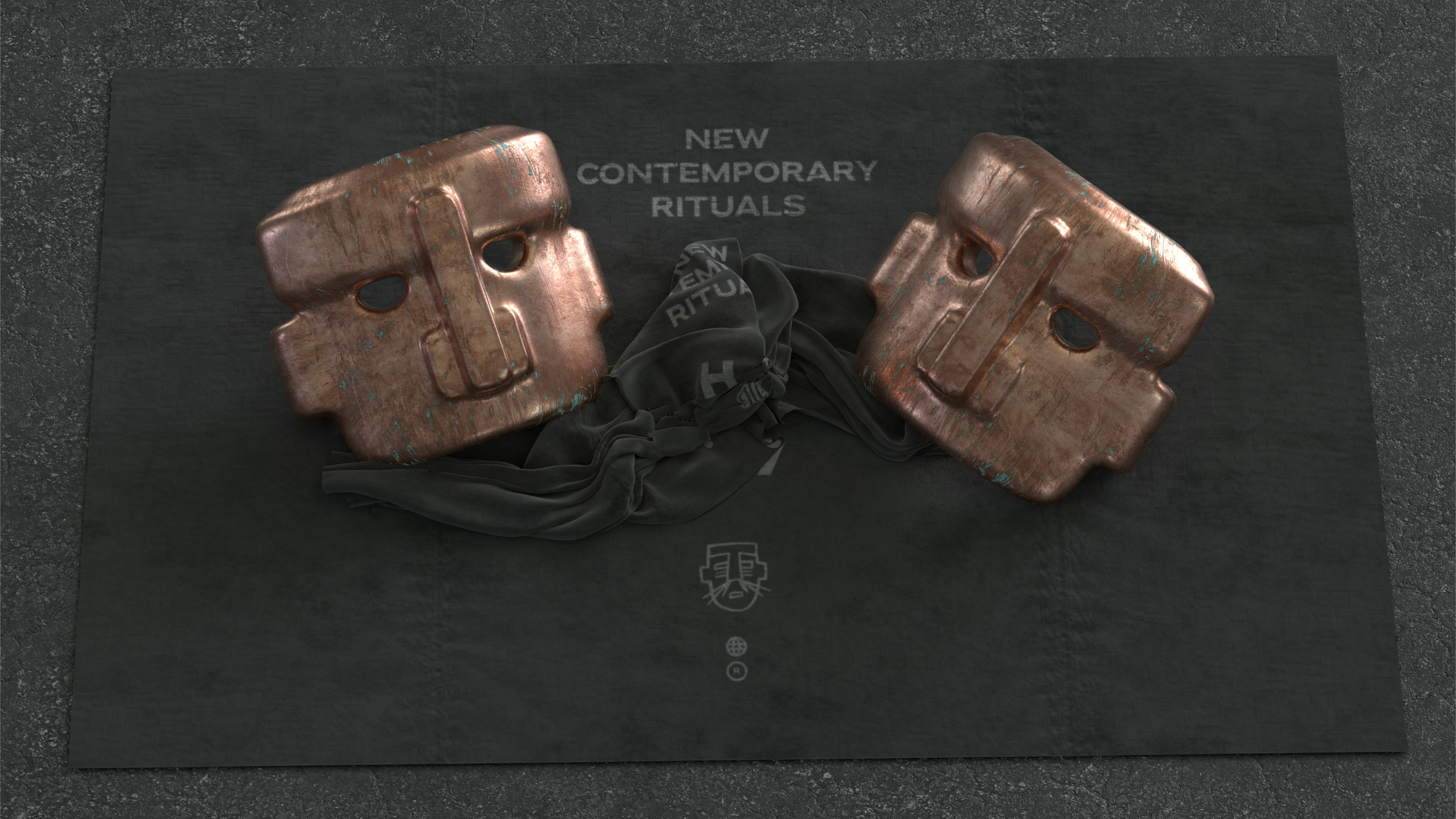
David Kim
Visiting Artist & Printmaking
Represented by Hales Gallery, London
"The resistance of the copper plate teaches patience. Every mark costs something. That cost makes you deliberate."
- Etching Fundamentals
- Mixed Media Drawing
- Artist Talk Series
David's visiting artist talks are open to all enrolled students at no additional cost.
Three Kinds of Courage.
The studio holds people at wildly different stages of life. The only requirement is the willingness to be a beginner.
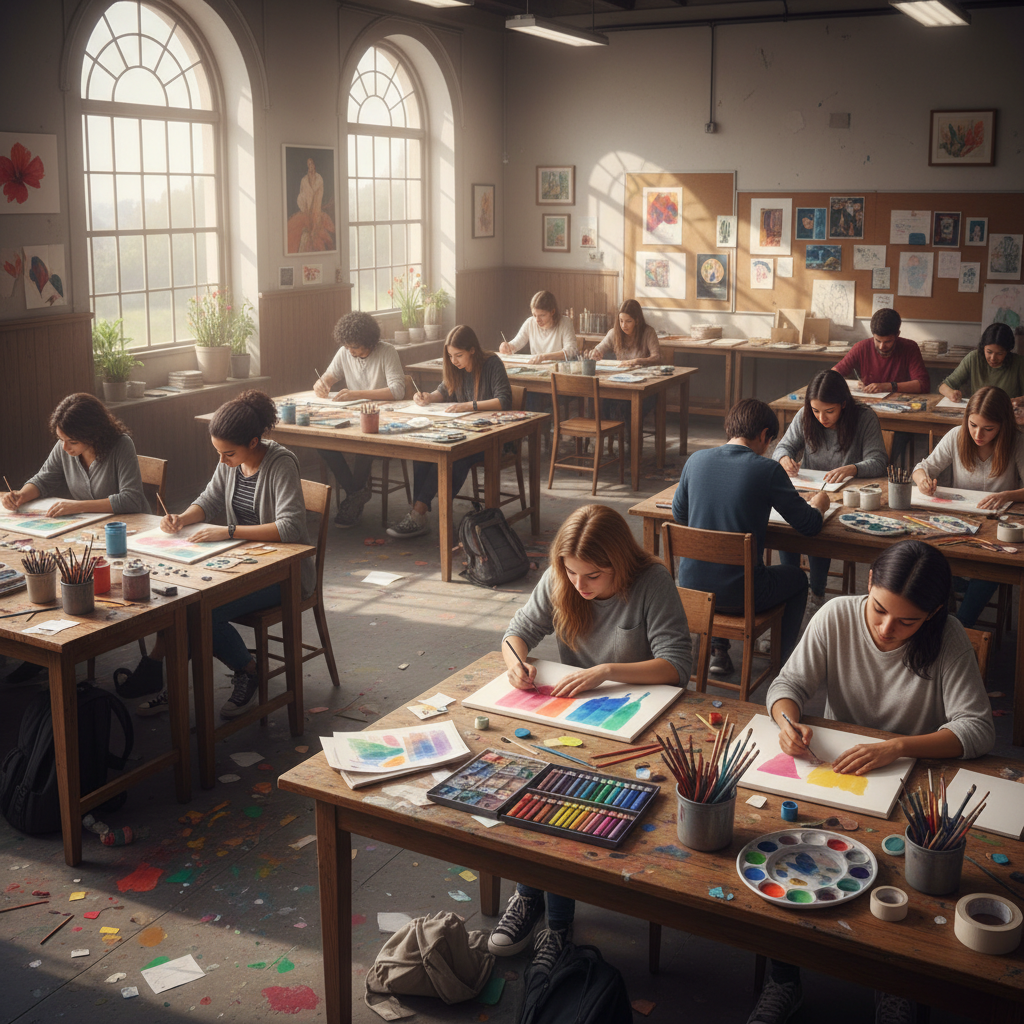
Leaving the spreadsheet. Picking up the charcoal.
"I spent fifteen years making other people's numbers look good. Now I spend Thursday evenings making something that feels like mine. I had zero art background when I enrolled. Eleanor didn't care."
Enrolled in Figure Drawing Fundamentals · Now in Year 2 Oil Portrait
8 months
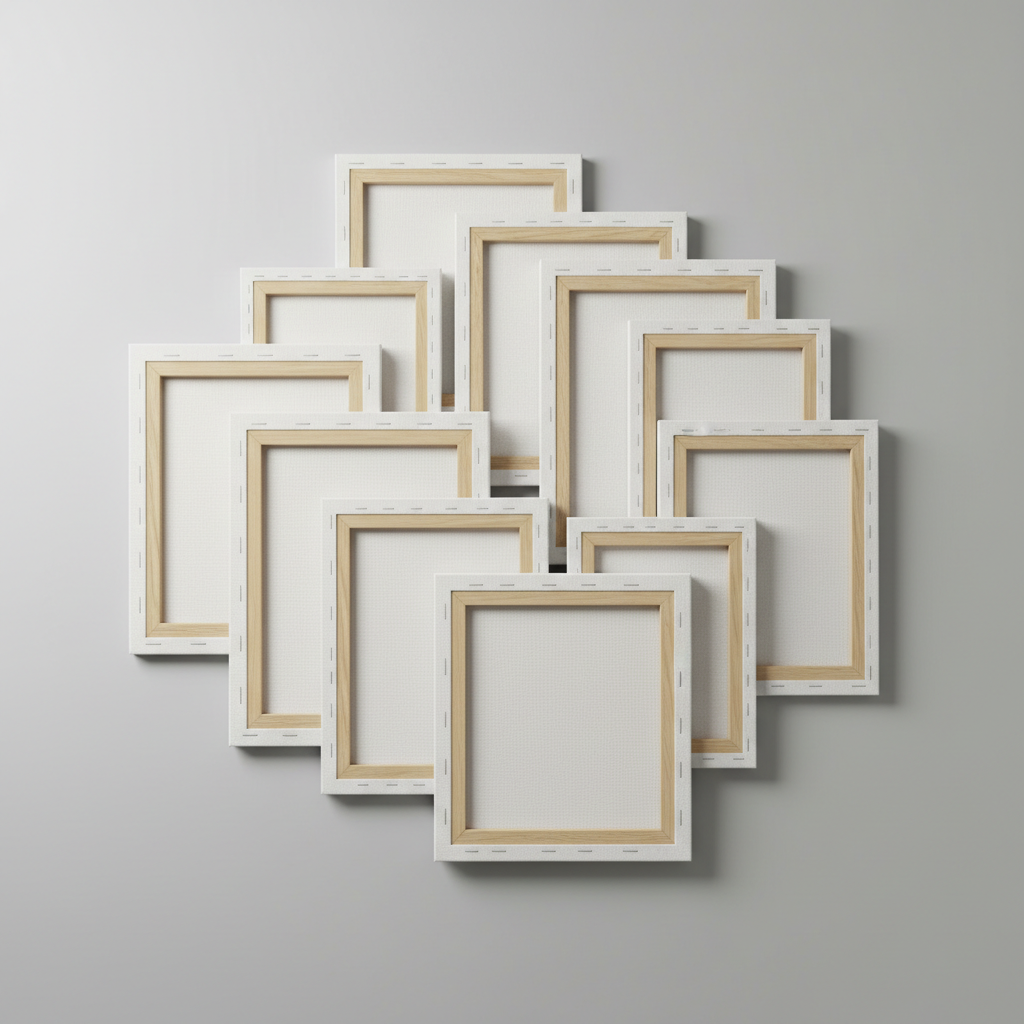
Twelve pieces. One shot. The deadline is real.
"My school's art department is fine for basics. But I needed someone to tell me the truth about my work — not just encouragement. The critiques here are the hardest and most useful thing I've ever experienced."
Saturday AP Portfolio Intensive · 12-piece portfolio due May
6 months to submission
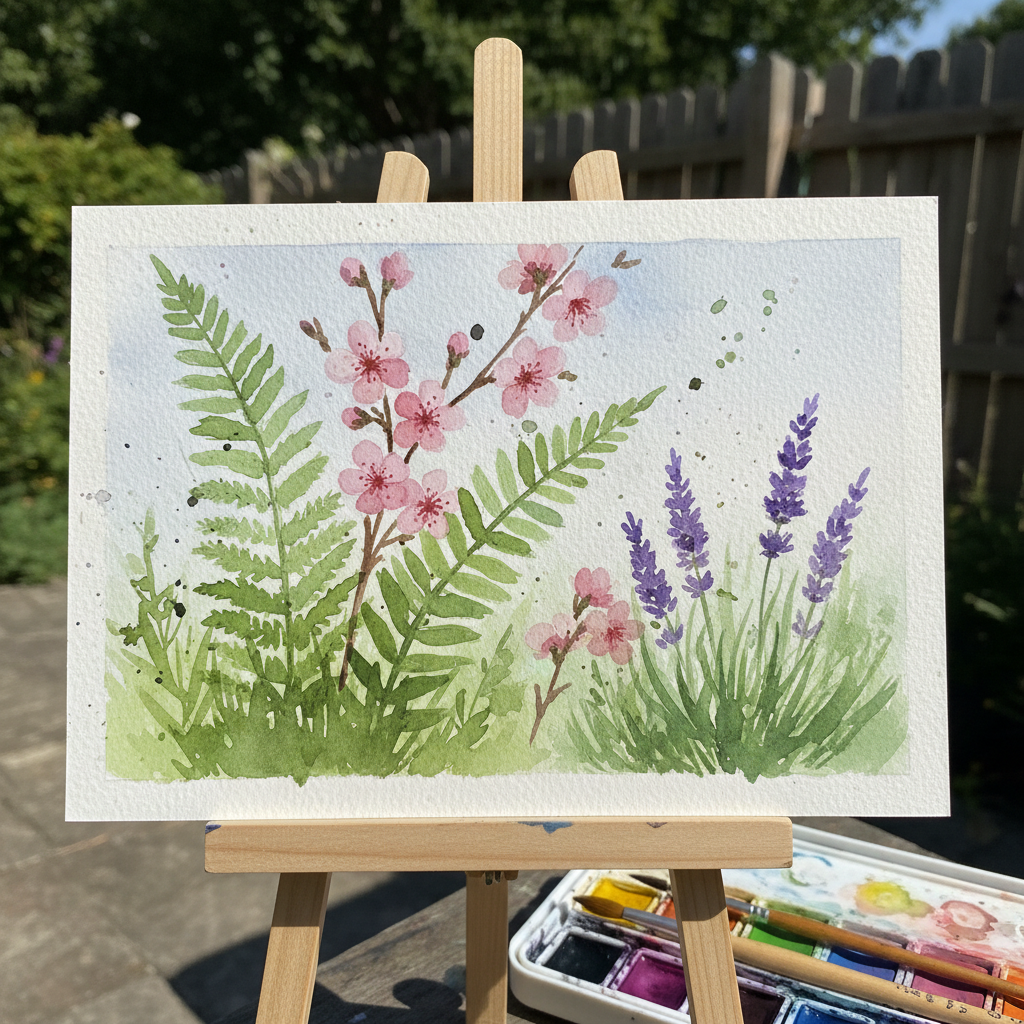
Sixty-two years of waiting. Finally painting.
"I promised myself I'd paint after I retired. I kept that promise, but I was terrified to start. Priya's beginner watercolor class was the first time I made something I wasn't embarrassed by. That was nine months ago."
Beginner Watercolor → Botanical Illustration → Plein Air
9 months, 3 courses completed
Six Things We Teach
Before You Enroll.
Hover any card to expand. Every lesson here is a genuine excerpt from our curriculum — not a teaser, but the actual thing.
Why shadows are never black
Every shadow contains the complementary color of the light source. Under warm afternoon sun, shadows lean violet-blue. Under cool north light, they shift amber. Mixing black into a shadow is the single fastest way to kill a painting.
Try this: Test it: paint a white egg under a lamp. The shadow will contain the color you least expect.
The skull beneath the portrait
Every portrait is a skull drawing with skin. The eye socket is a sphere set in a bony cave. Understanding the brow ridge and zygomatic arch tells you where every shadow will fall before you even look at your model.
Try this: Spend one session drawing skulls before drawing faces. Your portrait work will immediately improve.
One trick that fixes foreshortening
When a limb points toward you, trust your measurement over your knowledge. The forearm pointing at your eye is not "arm-length" — it may be only 3 inches on your page. Your brain will fight you. Measure. Trust the measurement.
Try this: Lay a pencil horizontally and use it to sight angles. What you see will surprise you.
Lose an edge, gain a form
Beginning painters make every edge equally sharp. Master painters know that lost edges — the places where two similar values bleed together — are what create the illusion of three dimensions. Find the one sharpest edge in your painting. Make everything else softer.
Try this: Squint at your subject until you can barely see it. The soft, lost edges become visible.
Draw the action, not the pose
A 30-second gesture is not a quick portrait. It is a search for the primary line of action — the single curve or thrust that animates the entire figure. Draw that line first. Build everything else around it. Without it, your figure stands. With it, your figure lives.
Try this: Before any mark, ask: what is this body doing? Not what does it look like — what is it doing?
Fat over lean — the rule that saves paintings
Oil paint dries from the outside in. Lean (thinned) paint dries faster. Fat (oil-rich) paint dries slower. If you apply fat paint under lean, the slow layer tries to move under the fast layer — and the surface cracks. Always build from lean to fat as you develop a painting.
Try this: First sessions: turpentine-heavy. Final glazes: linseed or walnut oil-heavy. Never reverse this.
The next session
begins in
March.
Classes fill to 14. Once the easels are claimed, the waitlist opens. The form takes 90 seconds.
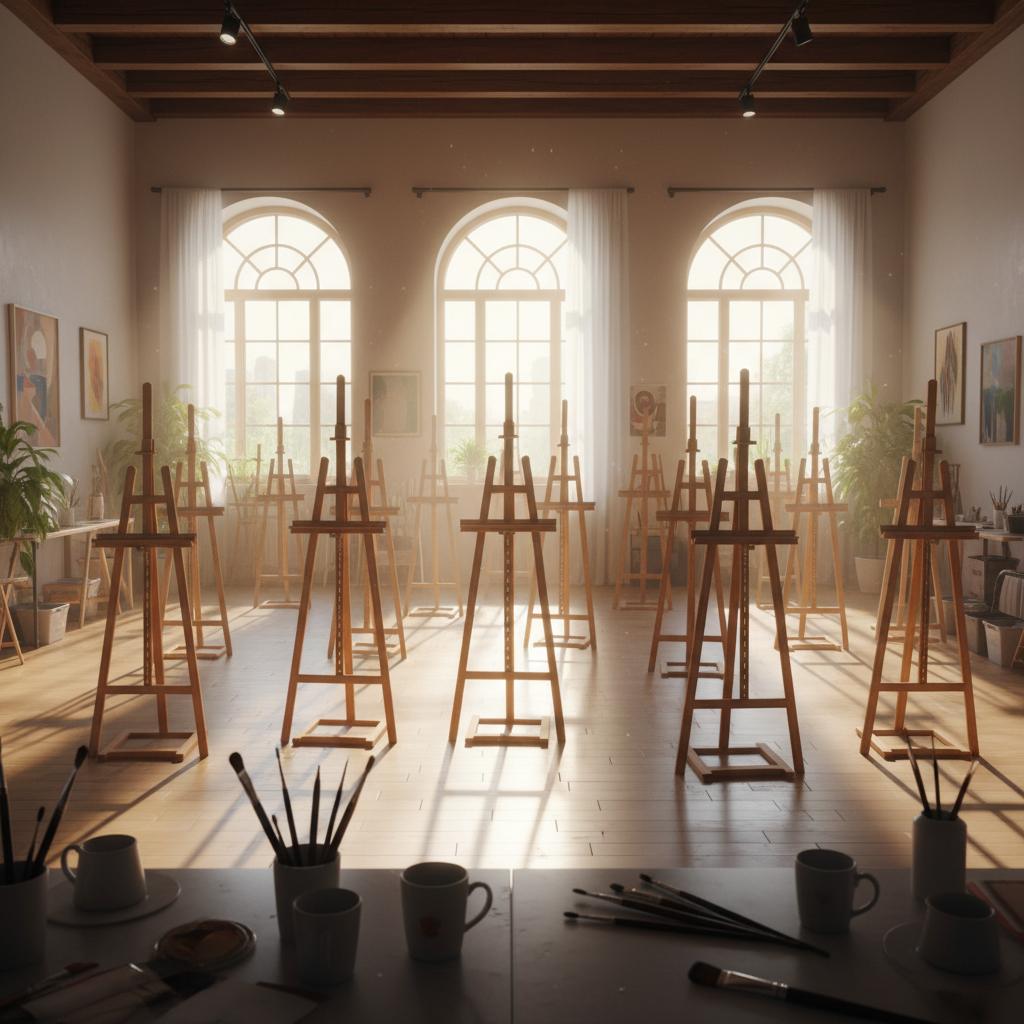
North Studio · 14 Easels
Not ready to commit?
Download the full course catalog — 24 pages covering every course, schedule, tuition, and faculty bio.